Spike Stitch Crochet Edging Free Pattern for Beginners
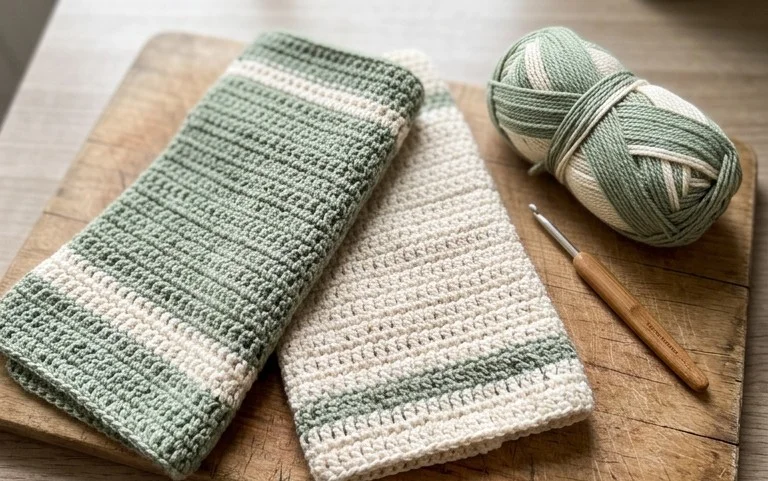
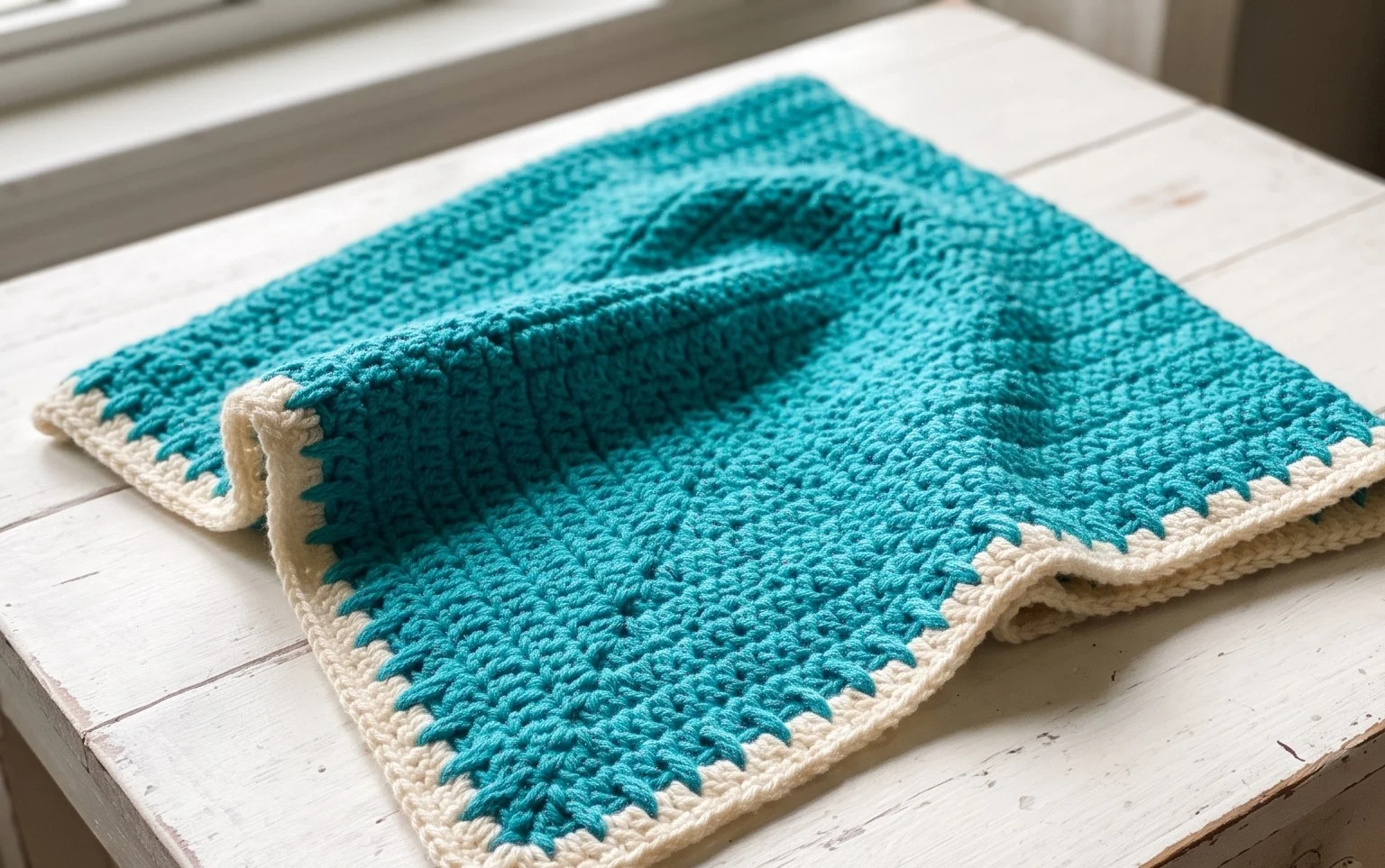
A simple row of elongated stitches creates a decorative border that transforms a plain item into something special. This spike stitch border adds structural stability to your edges while preventing them from curling after many cycles in the washing machine. You can finish this project in a single afternoon, making it a great choice for using up small amounts of leftover cotton yarn. Beginners will find the repetition calming, as the process involves reaching down into previous rows to create vertical pulls. Your finished edging will look professional and crisp, providing a clean frame for any square project you decide to create next.
Why This Project Is Worth Making
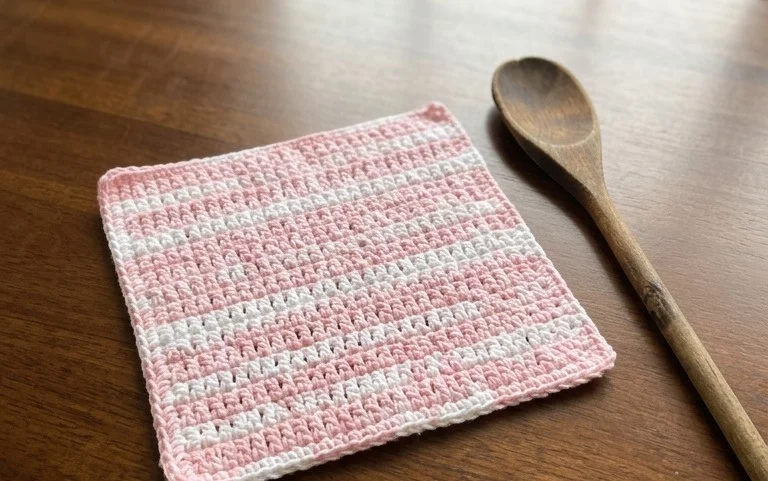
This classic crochet dishcloth is designed to provide a durable, textured surface that effectively scrubs kitchen surfaces without scratching delicate non-stick pans. The construction relies on the linen stitch, which creates a dense, woven-like fabric that holds its shape well after repeated use and heavy laundering. Because this project requires only a small amount of cotton yarn, it serves as a practical way to use up leftover skeins from larger home decor items. The rhythmic nature of the stitch pattern makes it a relaxing project to work on during travel or while listening to audiobooks, as it requires minimal concentration once you have established the base row.
I finished this dishcloth in one evening while watching a show. The texture is exactly what I needed for scrubbing stubborn spots off my glass stovetop.
— Sarah, home cook
Pattern Overview & Skill Level
- Skill Level: Beginner
- Approximate Time: 1–2 hours
- Construction: Flat panel worked in rows with a simple color-change technique to create a linen-stitch aesthetic.
- Finished Dimensions & Sizing: 8 inches by 8 inches square.
Materials & Supplies Needed
- Yarn: Worsted weight #4, 100% cotton, approximately 60 yards per dishcloth.
- Hook Size: 5.0 mm / H-8.
- Notions: Tapestry needle for weaving in ends, scissors.
- Safe yarn substitutions: You may use a cotton-linen blend for increased durability, though this may require a slightly tighter gauge to maintain a sturdy texture. Avoid acrylic yarns, as they are not absorbent and will not perform effectively for cleaning tasks.
Stitch Guide & Abbreviations (US Terms)
- ch = chain
- sc = single crochet
- sk = skip
- st(s) = stitch(es)
- Linen Stitch: Also known as moss stitch; a sequence of sc, ch 1, sk 1.
Step-by-Step Pattern Instructions
Main Body
The entire dishcloth is worked in rows. You will turn your work at the end of every row.
- Row 1: Ch 35. Sc in the 4th ch from hook. *Ch 1, sk 1 ch, sc in the next ch. Repeat from * across until the end. Turn. (17 sc, 16 ch-1 spaces)
- Row 2: Ch 2. Sc in the first ch-1 space. *Ch 1, sk 1 sc, sc in the next ch-1 space. Repeat from * to the end, placing your final sc in the turning chain space. Turn. (17 sc, 16 ch-1 spaces)
- Rows 3–32: Repeat Row 2 until the piece measures 8 inches in height.
Finishing
To finish the dishcloth, fasten off your yarn after the final row. Use a tapestry needle to weave the loose ends back through the stitches of the final row. Ensure you weave the yarn in multiple directions to secure it firmly before trimming the excess. Do not knot the ends, as this can create a lump that interferes with scrubbing.
Care & Washing Instructions
- Machine wash on a warm setting (up to 104°F) using mild detergent.
- Tumble dry on low heat or lay flat on a towel to air dry to prevent shrinkage.
- If the cloth becomes misshapen, dampen it slightly and pull the corners gently back into a square shape before letting it dry flat.
Pro Tips & Common Mistakes to Avoid
Maintain consistent tension throughout the project, especially on the chain stitches, to keep the edges straight. If your chains are too tight, the fabric will pull inward and lose its square shape. Use a stitch marker at the beginning of each row to help identify the final space where the last single crochet should be placed; this ensures your row count remains accurate. Weave in your yarn ends by running the needle through the center of several sc stitches rather than along the edges, as this hides the tail more effectively. You can easily adjust the size of this cloth by starting with an odd number of chains; increasing the chain count will increase the width, while adding more rows will increase the length.
Frequently Asked Questions
Can I use a larger hook for this pattern?
Using a larger hook will result in a looser, more open fabric. While this works well for dusting, it will be less effective as a dishcloth. Stick to the recommended 5.0 mm hook for a dense, durable weave.
Is it okay to use synthetic yarn for this dishcloth?
Acrylic yarn is hydrophobic, meaning it repels water rather than absorbing it. For the best performance as a kitchen tool, stick to 100% cotton or a cotton-linen blend.
How can I make this dishcloth larger?
To increase the size, start with a longer foundation chain using an odd number of stitches. Continue working the rows until you reach your desired square dimensions, keeping in mind that you will need extra yarn for a larger project.
Can I sell the finished items made from this pattern?
Yes, you are free to sell items made from this pattern. I ask that you credit the designer and use your own original photographs when listing your items online.
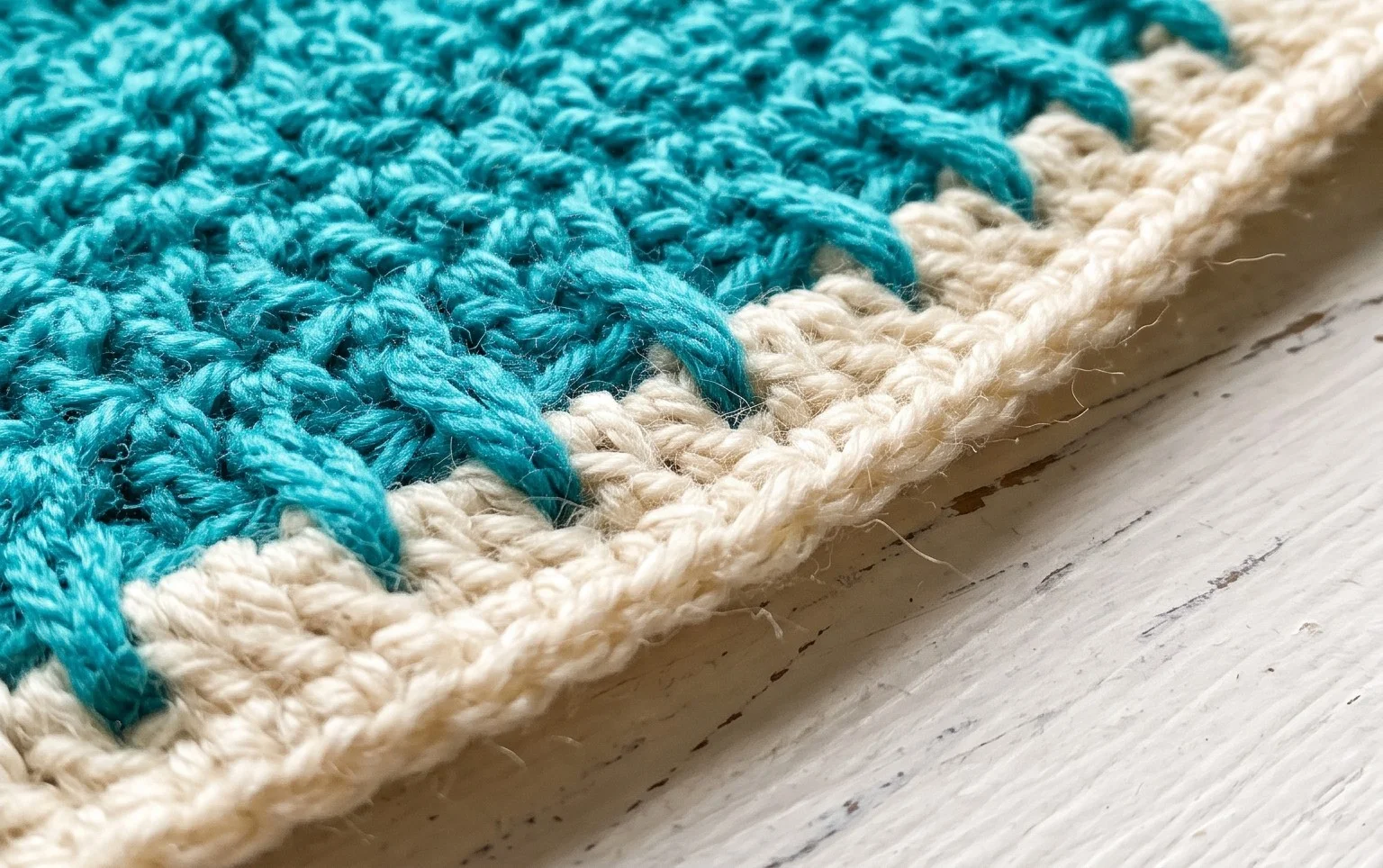
Seeing that clean, uniform border finish off your fabric is a satisfying end to an hour of focused work. If you want to experiment, try using a high-contrast yarn color for the final round to make the vertical stitches stand out against the main body of your work. Please tag your finished photos on social media so we can see your color combinations. You can find more free patterns available on the main blog page, so keep looking for your next hook project there.